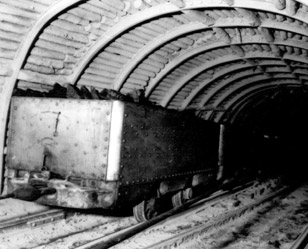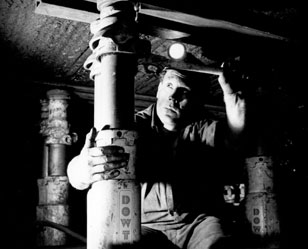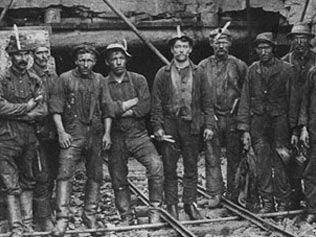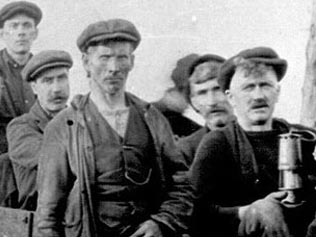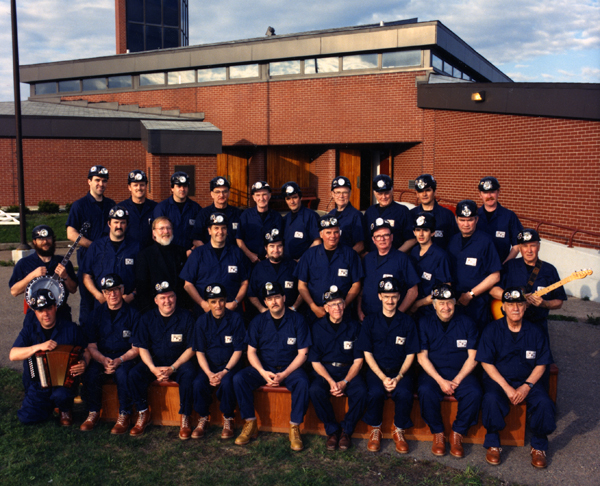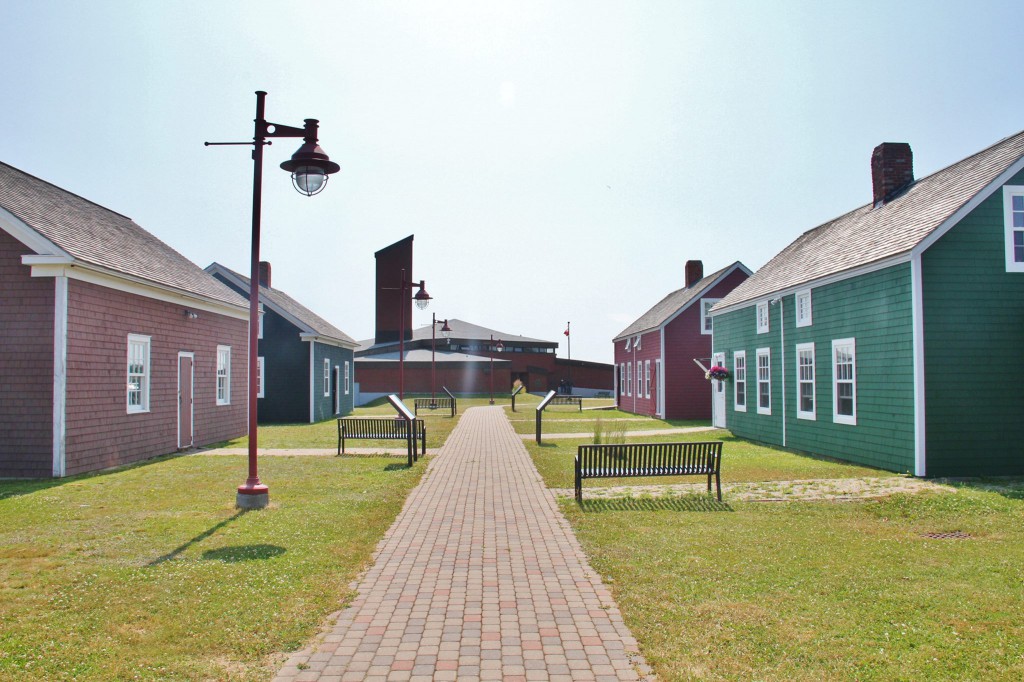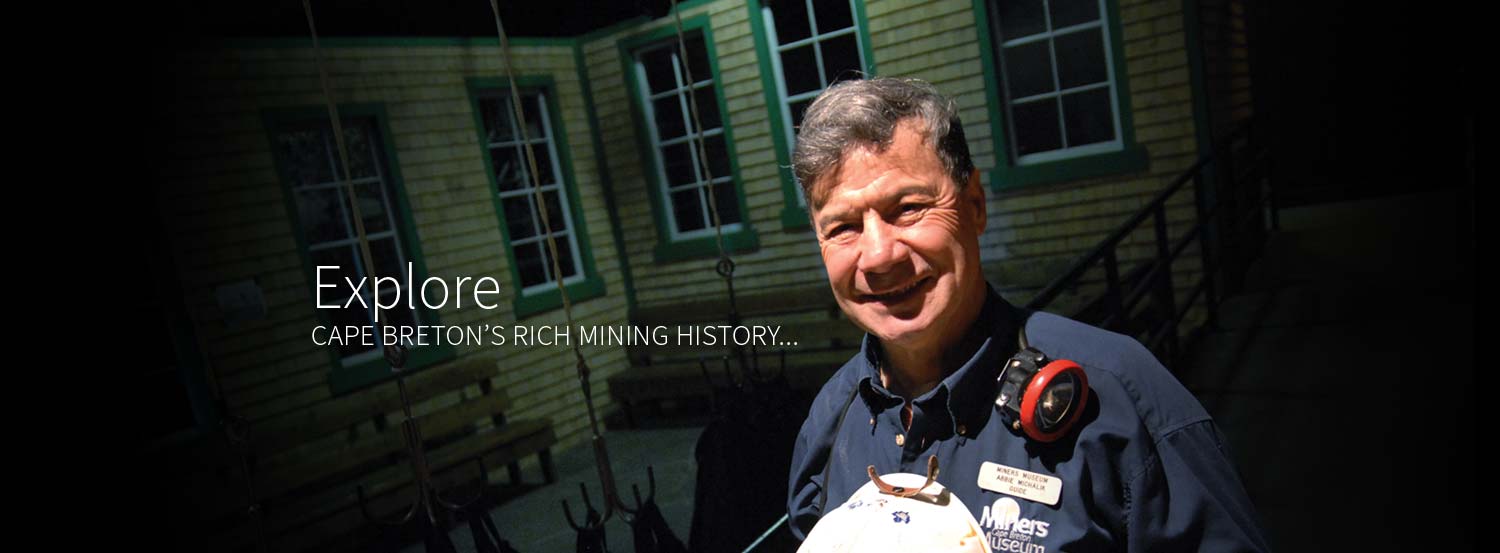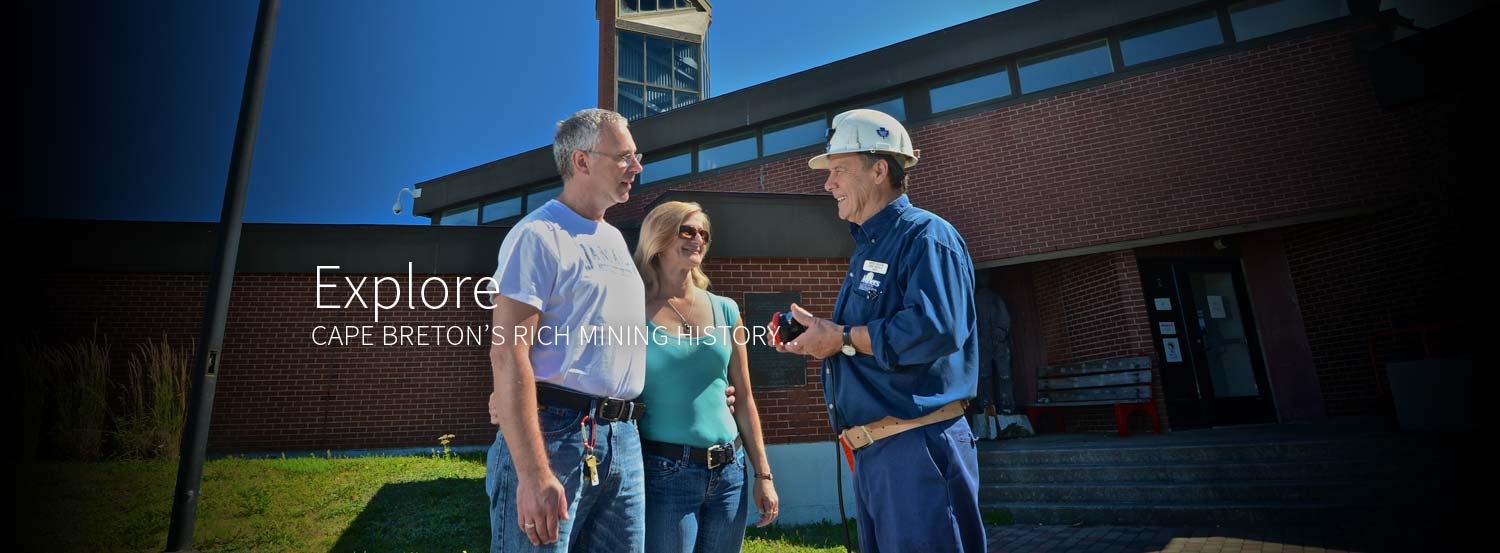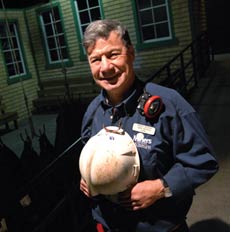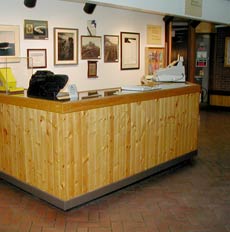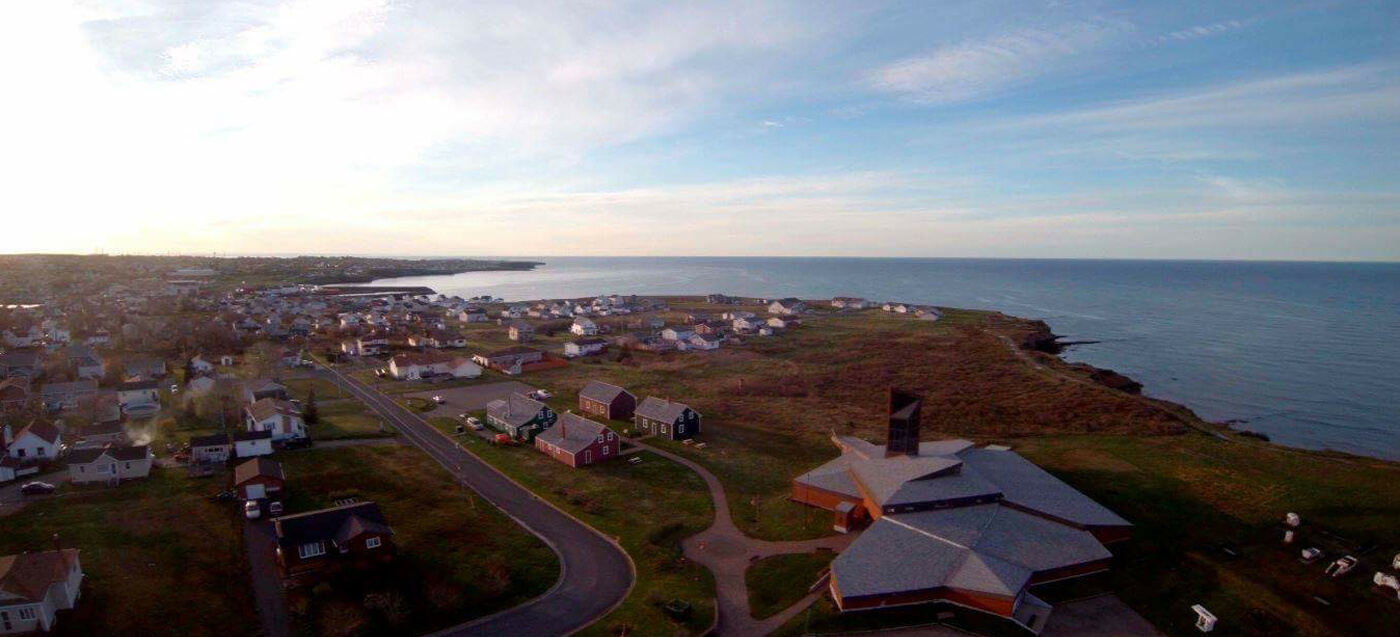
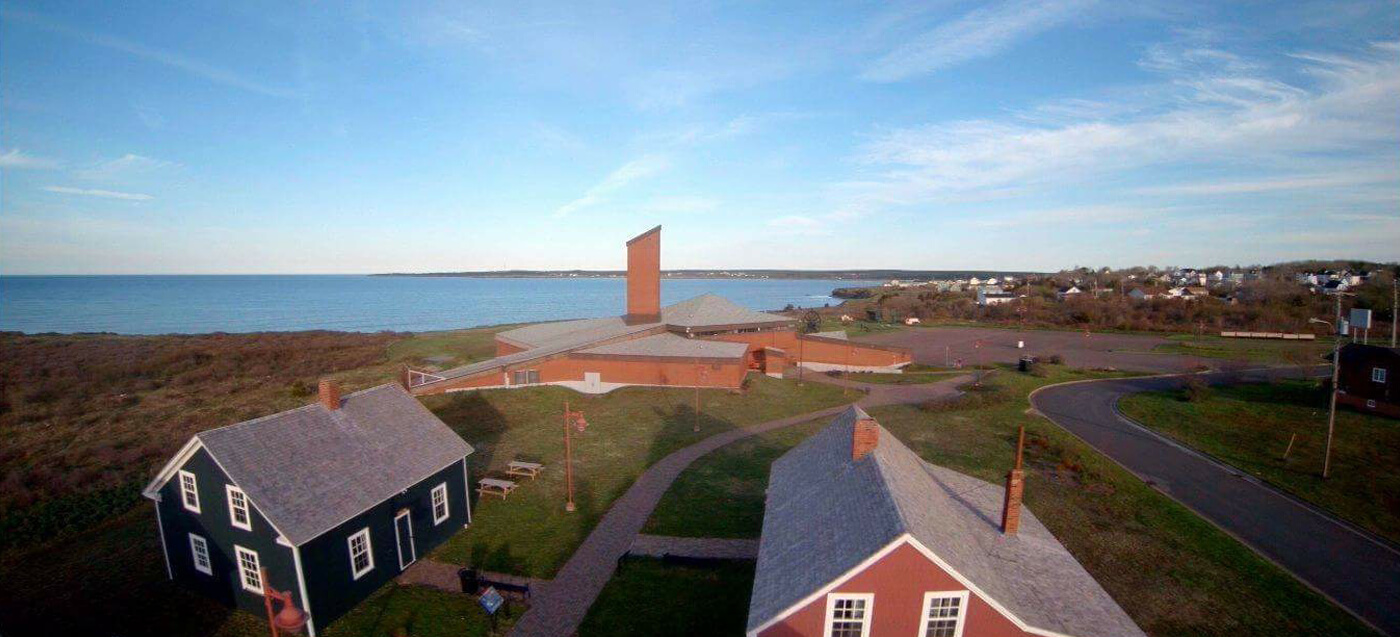
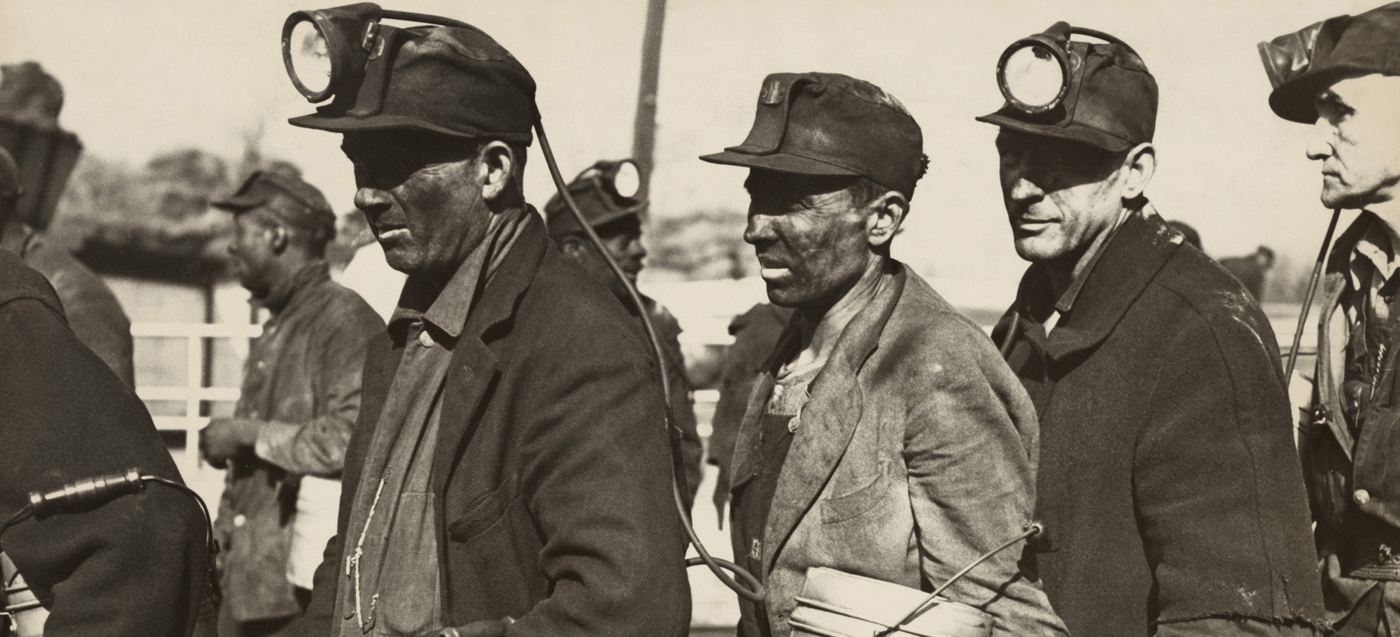
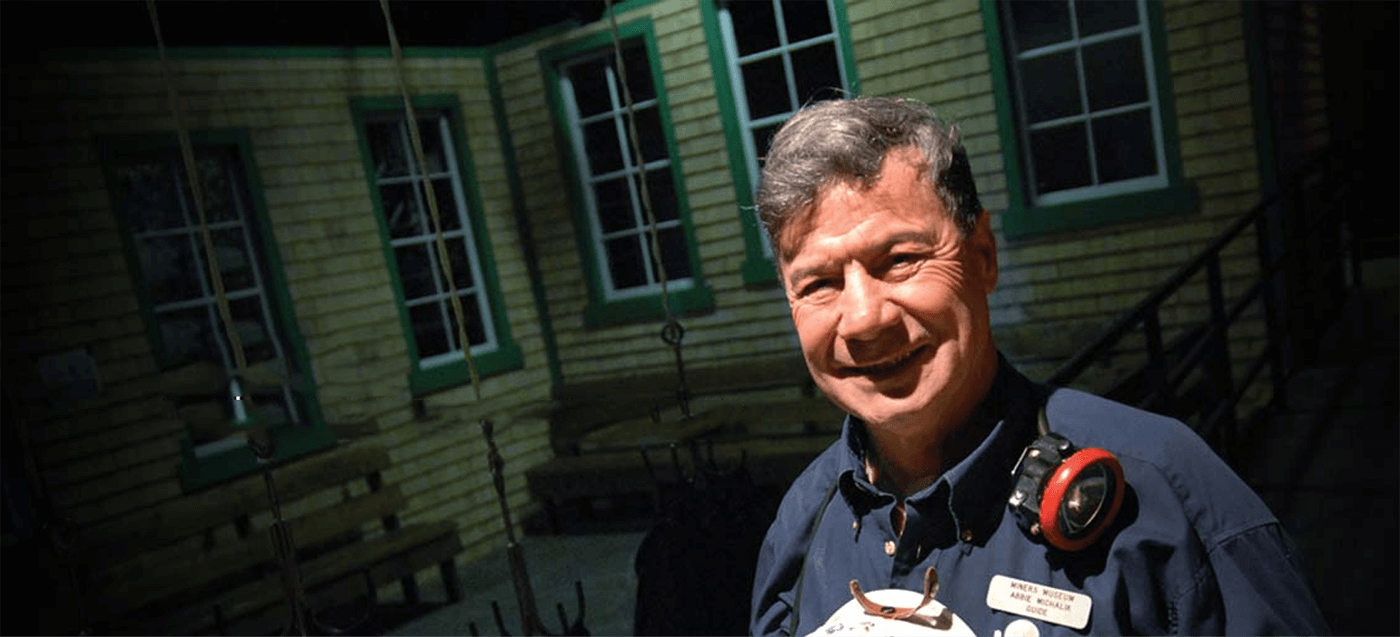
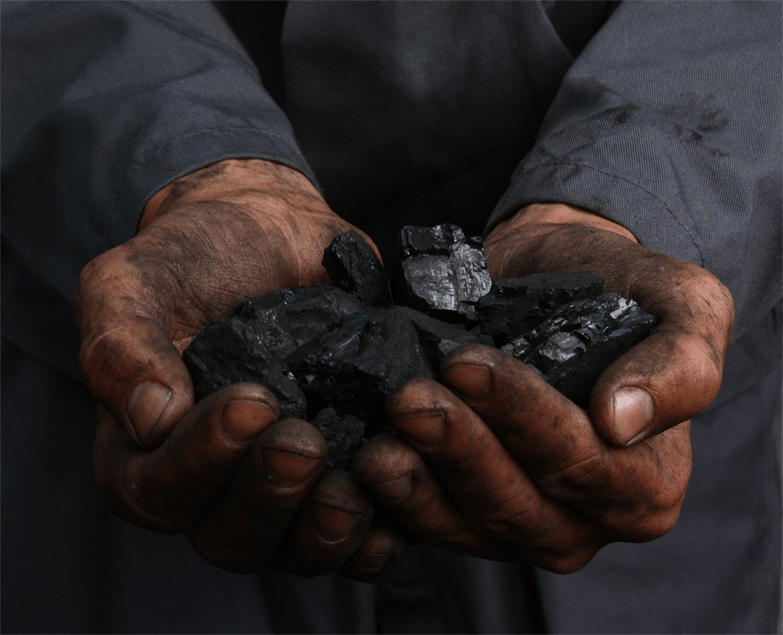
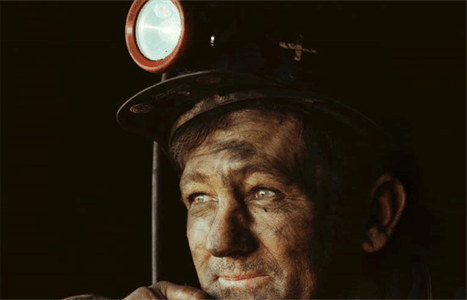
Situated on one of the most picturesque coasts of Cape Breton Island, on a 15-acre site filled with wild roses and grasses, the Cape Breton Miners Museum pays tribute to the region's long and rich history of coal mining. It is home to profound stories of miners and their families, and the resource that helped build a nation. The Museum is also home to the famous choir of miners – The Men of the Deeps. Plan a visit to the Museum where you can join a retired mine guide for an underground mine tour, browse the modern exhibits and stroll through our historic village. Complete your visit with a delicious home cooked meal at the Miners Village Restaurant.
Mine tours run daily in season and tour times vary depending on visitor demand (tours are offered in the morning and afternoon). To book a tour for a specific day during the off season,
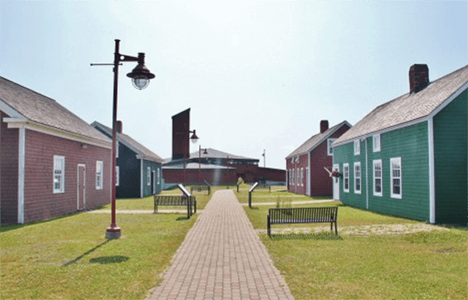
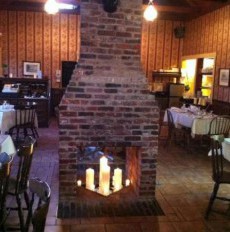
The quaint and beautiful Miners' Village Restaurant, with its early-style furniture, large brick fireplace, plastered walls and kerosene lamps, evokes an earlier age. Choose from a wide selection of fresh fish,

Plan to enjoy a Men of the Deeps concert this summer at the Cape Breton Miners Museum. The Men of the Deeps is a choir of working and retired coal miners from Cape Breton Island. Organized in 1966

 Learn More